
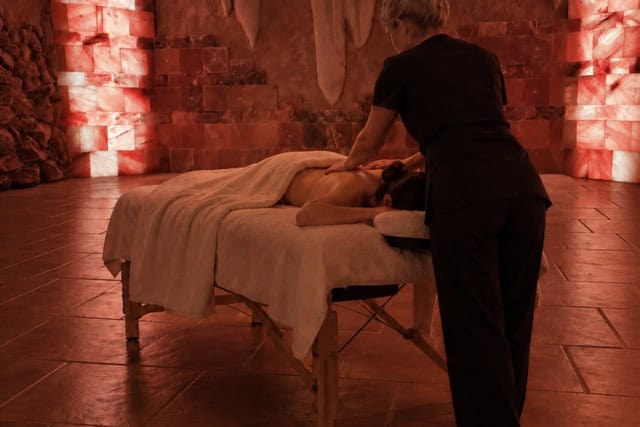
“My neck is tight” tells a massage therapist where to begin the conversation. What happened before the tightness, how it affects your day and what you want from the appointment help shape the next steps.
A massage treatment plan brings those details together. Two people can point to the same area and arrive with different priorities, health histories and experiences of touch. Their appointments may look different as a result.
The detail that changes the conversation
Compare “My neck feels tight” with “My neck feels tight by the end of a shift, and looking over my shoulder is uncomfortable.” The second sentence identifies a daily activity to discuss and a change you would like to notice.
Useful details include when the discomfort began, whether it has changed, what seems to bring it on and how previous massage felt. Relevant injuries, medications and other care also belong in the conversation. The therapist uses your history and assessment to consider whether massage is appropriate and how to proceed.
You can describe these observations in ordinary language. The assessment is part of the therapist’s work.
Two neck complaints, two different starting points
The following are teaching examples. They illustrate questions that could shape a plan, rather than accounts of Alberta’s clients.
Example 1. A familiar complaint and a specific activity
Someone describes a familiar pattern of neck tightness during long workdays. They want to discuss the discomfort they notice when turning to check a blind spot. Previous massage felt comfortable, and they are open to focused work.
Useful questions include “How long has this been happening?” and “Has anything changed recently?” If massage is appropriate after assessment, the person and therapist can discuss a focused session and how they will review that particular movement afterwards.
Example 2. Similar words, a different priority
Another person also says their neck is tight. They describe feeling sore for several days after their last massage and say that their main priority today is a comfortable, restful appointment.
That previous response deserves attention. The conversation can cover the pressure used, how the soreness developed, comfortable positioning and the person’s preferences for this visit. A gentler approach may be discussed, depending on assessment and consent.
Neither short description tells us the cause of the discomfort or determines a technique. Each supplies information the therapist needs before recommending an approach.
What a massage treatment plan should explain
Ask what the proposed session will focus on and why. Discuss the areas involved, positioning, expected benefits, relevant risks and alternatives. You can ask how the therapist will check your response and when the plan should be reviewed.
The Massage Therapist Association of Alberta includes assessment, treatment planning and consent in its published Standards of Practice. These provide background on professional care. Your own plan still depends on your circumstances.
Feedback gives the therapist something to act on
Specific words are useful during treatment. “That pressure feels comfortable,” “I’m starting to brace” or “Could we change how my head is supported?” communicates more than staying quiet when something changes.
You can request an adjustment, a pause or an end to treatment. Discuss changes with the therapist so that the massage treatment plan continues to reflect your consent and comfort.
Afterwards, note what you noticed during normal activities and how you felt later that day or the next day. Bring that information to a follow-up appointment. A familiar complaint can still need a fresh conversation when your health, symptoms or priorities change.
Three things to bring to your appointment
- A short description. Where you notice discomfort, when it started and what it affects.
- Your previous response. What felt helpful, uncomfortable or difficult after earlier treatment.
- Today’s priority. A particular activity you want to discuss, or your preference for a restful session.
Plan your massage with Alberta in Calgary
Alberta Allard, RMT, brings 17 years of massage therapy experience and more than 40 years in healthcare to Joy & Vitality Centre. She is also a Teaching Assistant with Seminars for Health.
Her published approach considers your concerns, treatment goals and comfort. Sessions take place in our Himalayan Salt Cave with dry salt halotherapy. Visit the service page to explore the massage options and booking details.
Alberta accepts participating extended health benefits, except Sun Life. Confirm your individual coverage before booking. The halotherapy component may not qualify for reimbursement.